

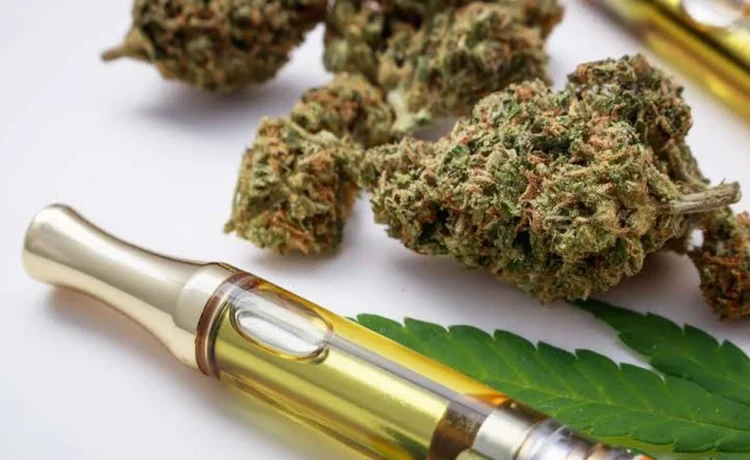
Vape shoppers keep circling the same two options. A cartridge that screws onto a battery they own, or a sealed disposable that works straight out of the box. Both hold similar extract, both fire at the press of a button, yet the value math between them splits sharply once usage habits enter the picture. Brands now run both formats side by side, and lineups like the Exhale Wellness THCp vapes show how the same quality extract gets packaged for two very different buyers. The honest answer to value depends on frequency, and the breakdown below names the winner for each kind of user.
How do carts deliver value?
Carts win on long-term value for anyone vaping regularly, because the buyer pays for hardware once and then pays only for extract afterwards. A battery lasts a year or more with basic care, so every cartridge purchased after that first setup goes entirely toward the oil itself. Per milligram, carts almost always undercut disposables from the same brand, and the gap widens with every jar-sized month of use. Regular users also gain control that sealed units never offer. Voltage adjustment tunes flavour and vapour thickness, preheat functions handle thick extract in cold weather, and a dying battery gets recharged instead of thrown away with oil still inside. The format asks for small commitments in return. Occasional contact cleaning, upright storage, and the memory to charge the battery before it dies mid-session. Frequent vapers make those trades gladly and keep the savings.
Where disposables shine?
- Zero learning curve – A disposable works the moment it leaves the package. No settings, no charging cable on day one, no threading questions. First-time vapers get a clean experience without buying or studying anything extra.
- Travel and outings – One small unit covers a weekend trip or a night out with nothing else in the pocket. Losing it stings less than losing a cart and battery pair, which makes it the natural pick for festivals and beach days.
- Sampling new strains – Trying an unfamiliar flavour or cannabinoid through a disposable risks less commitment. If the profile disappoints, no half-full cartridge lingers in a drawer for months.
- Backup duty – Plenty of cart users keep one disposable charged and sealed as insurance for dead battery days. The two formats coexist in the same drawer more often than brands admit.
Value comparisons only work with honest counting. A cart setup includes the battery price up front, spread across every cartridge that follows, and that math turns favourable somewhere around the third or fourth cart for most buyers. Disposables carry their battery cost inside every single unit, which is exactly why the per-session price never drops, no matter how loyal the customer stays. Waste enters the ledger, too. Rechargeable disposables improved things, but a thrown-away unit still discards a working battery each time. Occasional users may never vape enough for any of this to matter, and that is precisely the point. Below roughly one unit per month, the convenience premium costs almost nothing. Above it, the premium compounds quietly.