

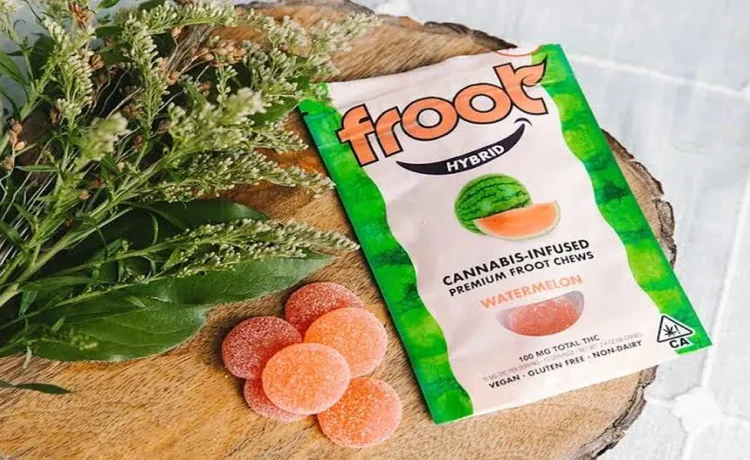
Why does potency vary?
Potency variation across brands traces back to testing standards, manufacturing consistency, and regulatory oversight rather than to any single formulation choice. Independent testing has repeatedly found meaningful gaps between labelled cannabinoid content and what a product actually contains, sometimes exceeding ten per cent of the stated dose.
Structural causes explain much of that gap rather than isolated bad actors. Rapid market growth following legalisation, combined with inconsistent regulatory standards across state and federal levels, has widened the distance between labelled and actual potency across many sellers. Anyone comparing options to buy edibles online legal encounters that gap directly whenever a stated milligram figure fails to match verified lab results.
Homogeneity failures compound the problem further. An uneven mix during production can result in a gummy with almost no active compound, while another from the same batch contains a lot, leading to real recalls once the variance crosses safe limits. Even though not every manufacturer follows these steps consistently, cryogenic grinding and thorough mixing reduce that risk considerably. Ranking brands meaningfully depends on checking verified testing rather than trusting a printed number alone.
What separates reliable testing?
Reliable potency verification rests on independent laboratory involvement rather than in-house claims. Third-party testing removes an obvious conflict of interest, since checking one’s own product rarely produces an unflattering result.
- Certificate of analysis matching the exact batch code printed on packaging.
- Testing covering both total THC and individual cannabinoid breakdown.
- Homogeneity verification confirms even distribution across a full batch.
- Recent testing date rather than a certificate published years earlier.
Skipping any of these leaves a stated potency figure essentially unverified, regardless of how confidently a package presents it to a buyer.
How should listings get compared?
Milligram claims deserve treatment as a starting point rather than a settled fact, since checking a batch certificate against packaging closes most of the gap between marketing language and actual content inside a gummy.
Total weight matters alongside milligram count, since percentage-based compliance figures depend on both numbers together. A listing showing THC content without noting piece weight leaves half a calculation incomplete. Comparing that documentation across sellers gives a far more accurate potency picture than comparing front panel claims alone, and it exposes which preparations genuinely match their stated strength.
What should shape a decision?
Verified testing, not brand reputation alone, should guide any potency comparison between sellers. A seller publishing full panel results, including homogeneity data, offers more assurance than one relying on customer reviews or marketing copy describing a product as strong without documentation behind that claim.
Checking whether a laboratory operates independently from the manufacturer adds another layer of confidence. Reading test dates closely matters too, since older documentation says nothing meaningful about a current production run reaching shelves today.
Ranking potency accurately across brands depends on documentation quality rather than stated milligram numbers alone. Given documented rates of mislabeling across this category, verified batch testing remains the most dependable way to compare any two products honestly before purchase, particularly for anyone new to a specific seller. Prescribed medication and any underlying health condition warrant a clinician conversation beforehand.