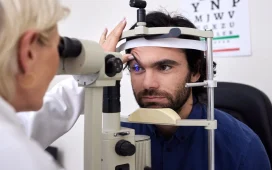


When should you see a doctor instead of waiting? Learn the warning signs, when symptoms need urgent care, and how timely medical attention protects your health.
If your symptoms are severe, last longer than expected, or keep getting worse, you should see a doctor instead of waiting. Early medical care can prevent complications, provide faster treatment, and improve recovery. Persistent pain, breathing problems, high fever, chest pain, sudden weakness, or unusual bleeding should never be ignored.
Have you ever told yourself, “It’ll probably go away tomorrow,” only to feel even worse a few days later? Many people delay medical care because they think their symptoms are minor. While some health problems do improve on their own, others become more serious when left untreated. Knowing the difference can protect your health and even save your life.
Waiting too long to seek medical care often leads to unnecessary pain, longer recovery times, and more expensive treatment. The good news is that your body usually gives warning signs when something needs attention. Learning to recognize those signals helps you make smarter health decisions for yourself and your family.
Many illnesses are easier to treat when caught early. A timely visit to a healthcare provider can prevent complications and provide peace of mind. Instead of guessing, it’s always better to get professional medical advice when symptoms don’t seem normal.
People who visit a Primary Care Physician regularly often enjoy better long-term health because problems are identified before they become serious. Comprehensive Primary Care focuses on preventive care, routine screenings, chronic disease management, and personalized treatment plans that support your overall well-being. Rather than treating only individual symptoms, healthcare providers look at your complete medical history to deliver coordinated care that fits your needs.
Choosing Comprehensive Primary Care also creates a long-term relationship with a trusted physician who understands your health goals and medical background. This ongoing care improves communication, encourages preventive checkups, and helps detect health concerns earlier. Regular visits also make it easier to manage ongoing conditions while reducing the need for emergency care.
🚨 Why Waiting Can Sometimes Be Dangerous
Many illnesses begin with mild symptoms that gradually become worse. Ignoring those early signs may allow infections, injuries, or chronic diseases to progress. By the time symptoms become severe, treatment can be more difficult and recovery may take longer.
Your body communicates through pain, fever, swelling, fatigue, and other symptoms. These warning signs should never be ignored when they persist or become more intense. Listening to your body is one of the simplest ways to protect your health.
Delaying care also increases the risk of complications. Conditions like pneumonia, appendicitis, heart disease, or diabetes often become more serious without prompt treatment. Seeking care early often leads to faster healing and fewer medical expenses.
| Benefit of Early Medical Care | Why It Matters |
|---|---|
| Faster diagnosis | Starts treatment sooner |
| Lower risk of complications | Prevents worsening illness |
| Better recovery | Shortens healing time |
| Reduced healthcare costs | Avoids emergency treatment |
❤️ Chest Pain Should Never Be Ignored
Chest pain is one of the most important reasons to seek immediate medical attention. Although heartburn or muscle strain may cause discomfort, chest pain can also signal a heart attack or another serious heart condition.
Warning signs include pressure in the chest, pain spreading to the arm or jaw, sweating, nausea, or shortness of breath. Even if symptoms seem mild, getting evaluated quickly can save your life.
Older adults, smokers, and people with diabetes or high blood pressure should be especially cautious. Never assume chest pain will disappear without medical evaluation.
🌡️ High Fever That Doesn’t Improve
A fever helps your body fight infections. However, a high fever that lasts several days or continues to rise deserves medical attention.
Adults should contact a healthcare provider if fever remains above 103°F, lasts more than three days, or comes with confusion, severe headache, stiff neck, or dehydration. Children and older adults may require evaluation even sooner.
Persistent fever could indicate bacterial infections, pneumonia, urinary tract infections, or other illnesses requiring prescription treatment.
😮 Trouble Breathing Is Always An Emergency
Breathing should never feel difficult. If you struggle to catch your breath while resting, seek medical care immediately.
Shortness of breath may result from asthma, pneumonia, blood clots, allergic reactions, heart disease, or lung infections. Quick treatment often prevents serious complications.
Watch for symptoms such as:
- Difficulty speaking because of breathlessness
- Blue lips or fingertips
- Chest tightness
- Wheezing that doesn’t improve
- Rapid breathing
These symptoms require prompt medical evaluation.
| Breathing Symptom | Recommended Action |
|---|---|
| Mild shortness of breath after exercise | Monitor if it improves quickly |
| Breathing difficulty at rest | See a doctor immediately |
| Blue lips or chest pain | Call emergency services |
| Sudden severe wheezing | Seek urgent medical care |
🤕 Persistent Pain That Won’t Go Away
Pain is your body’s natural alarm system. While occasional aches are common, pain lasting several days should not be ignored.
Persistent headaches, abdominal pain, back pain, or joint pain may indicate underlying health conditions. Early diagnosis often prevents permanent damage.
Doctors can identify whether pain comes from inflammation, infection, nerve problems, or injury. Appropriate treatment often improves quality of life much sooner.
🩸 Unusual Bleeding Or Unexpected Bruising
Unexpected bleeding always deserves attention. Blood in urine, stool, vomit, or coughing blood should never be considered normal.
Easy bruising or prolonged bleeding may point to blood disorders, medication side effects, or liver disease. Women experiencing unusually heavy menstrual bleeding should also consult a healthcare provider.
Early evaluation helps identify the cause before serious complications develop.
🧠 Sudden Weakness, Confusion, Or Speech Problems
Sudden changes in thinking or movement can indicate a stroke. Immediate treatment greatly improves recovery outcomes.
Never ignore symptoms like:
- One-sided weakness
- Facial drooping
- Slurred speech
- Sudden confusion
- Vision changes
- Loss of balance
Remember that every minute matters. Emergency treatment can reduce permanent brain damage.
🤒 Symptoms That Last Longer Than Expected
Most minor viral illnesses improve within several days. If symptoms continue for weeks, it’s time to schedule a medical appointment.
Persistent coughing, unexplained fatigue, weight loss, swollen lymph nodes, or digestive problems deserve professional evaluation. Long-lasting symptoms sometimes indicate chronic disease or infections that require treatment.
Trust your instincts if something simply doesn’t feel right. Your healthcare provider can determine whether further testing is needed.
| Symptom Duration | Suggested Next Step |
|---|---|
| 1-3 days | Monitor at home if improving |
| More than 1 week | Schedule a doctor visit |
| Symptoms worsening daily | Seek prompt evaluation |
| Severe symptoms anytime | Get immediate medical care |
👨⚕️ When Chronic Conditions Need Medical Attention
People living with diabetes, asthma, high blood pressure, or heart disease should pay close attention to changing symptoms.
Even small changes may indicate that medications need adjustment. Regular checkups help prevent complications before they become emergencies.
Call your doctor if you notice increased swelling, uncontrolled blood sugar, frequent asthma attacks, or new symptoms that affect your daily activities.
👶 When Children Should See A Doctor
Children often recover quickly from minor illnesses, but certain symptoms require immediate medical care.
Parents should seek medical attention if a child has difficulty breathing, high fever, severe dehydration, persistent vomiting, seizures, or unusual sleepiness. Babies younger than three months with fever should always be evaluated promptly.
Trust your parental instincts. If your child’s condition worries you, professional evaluation is always appropriate.
🛡️ How To Decide Whether To Wait Or See A Doctor
Sometimes it’s difficult to know whether symptoms require medical care. A few simple questions can help guide your decision.
Ask yourself:
- Is the symptom getting worse?
- Has it lasted longer than expected?
- Does it interfere with normal activities?
- Is there severe pain?
- Am I having trouble breathing?
- Is something simply not normal for me?
If you answer yes to any of these questions, contacting your healthcare provider is usually the safest choice. 😊
✅ Tips To Stay Ahead Of Health Problems
Preventive healthcare helps detect many diseases before symptoms even appear. Regular checkups, screenings, vaccinations, and healthy habits all contribute to better long-term health.
Simple preventive habits include:
- Schedule annual physical exams
- Stay current on recommended screenings
- Take medications as prescribed
- Exercise regularly
- Eat nutritious meals
- Stay hydrated
- Get enough sleep
- Avoid smoking
Small daily habits often prevent much larger health problems later.
🌟 Conclusion
Knowing when you should see a doctor instead of waiting can make a significant difference in your health. While many minor illnesses improve naturally, persistent, worsening, or severe symptoms should never be ignored. Early medical evaluation often leads to quicker diagnosis, more effective treatment, and fewer complications. Paying attention to your body’s warning signs is one of the smartest ways to protect your long-term health. When in doubt, seeking professional medical advice is always the safer decision.
Frequently Asked Questions
When should I see a doctor for a fever?
If your fever lasts more than three days, becomes very high, or is accompanied by severe symptoms, schedule a medical visit. Persistent fever may indicate a bacterial infection. Early treatment helps prevent complications.
How long should I wait before seeing a doctor?
Most mild illnesses improve within several days. If symptoms continue beyond a week or worsen, make an appointment. Your healthcare provider can determine the underlying cause.
Should I visit a doctor for ongoing fatigue?
Yes. Fatigue lasting several weeks should be evaluated. It may signal anemia, thyroid disease, infections, or other medical conditions. Early diagnosis leads to better treatment.
When should chest pain be medically checked?
Chest pain should always be taken seriously. Seek immediate medical care if it comes with shortness of breath, sweating, nausea, or pain spreading to your arm or jaw. Fast treatment can be lifesaving.
Can a primary care physician treat ongoing symptoms?
Absolutely. A primary care physician evaluates persistent symptoms, manages chronic conditions, and coordinates additional testing if needed. Regular visits also help prevent future health problems.
Bottom of Form