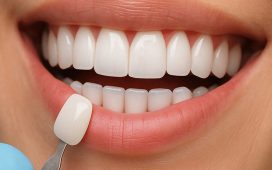


Professional teeth cleaning is one of the most important preventive dental procedures available today. Even individuals who brush and floss regularly cannot completely remove all plaque and tartar from their teeth at home. Over time, bacteria accumulate in hard-to-reach areas, increasing the risk of gum disease, tooth decay, and bad breath. Professional dental cleanings help maintain oral health, preserve natural teeth, and improve the appearance of a smile.
Many people mistakenly assume that professional cleanings are only cosmetic procedures. While teeth often appear cleaner and brighter after treatment, the primary purpose of professional cleaning is disease prevention. Plaque is a sticky film filled with bacteria that constantly forms on teeth. If plaque is not removed properly, it hardens into tartar, which cannot be eliminated through brushing alone. Tartar buildup irritates the gums and may eventually lead to periodontal disease.
Dental hygienists usually perform professional cleanings during routine dental visits. The process begins with an oral examination to evaluate the condition of the teeth and gums. Hygienists check for signs of inflammation, bleeding, gum recession, or excessive tartar accumulation. In some cases, X-rays may be taken to identify hidden problems below the gum line.
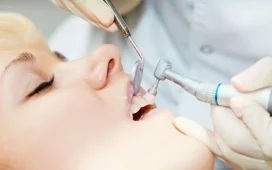
Scaling is the first major step in professional cleaning. During scaling, specialized instruments are used to remove plaque and tartar deposits from the surfaces of teeth and beneath the gums. Ultrasonic scalers are commonly used because they effectively break apart hardened buildup while spraying water to wash away debris. Hand instruments may then be used to clean smaller areas more precisely.
After scaling, the teeth are polished using a rotating brush and a mildly abrasive toothpaste-like material. Polishing smooths the surfaces of teeth and helps remove minor stains caused by coffee, tea, tobacco, or food pigments. Smooth tooth surfaces make it more difficult for plaque to accumulate quickly.
Flossing is often performed after polishing to remove remaining debris between teeth. Some patients may also receive fluoride treatment at the end of the appointment. Fluoride strengthens enamel and provides additional protection against cavities.
Professional cleanings play a significant role in preventing gum disease. Gingivitis, the earliest stage of periodontal disease, develops when plaque irritates gum tissue. Symptoms may include redness, swelling, and bleeding during brushing. Without treatment, gingivitis can progress into periodontitis, a more serious condition that damages the bone supporting the teeth. Advanced periodontal disease is one of the leading causes of tooth loss among adults.
Regular cleanings also help detect oral health problems early. Dentists and hygienists may notice cavities, worn fillings, cracked teeth, or suspicious lesions before they become severe. Early detection often means simpler and less expensive treatment.
Bad breath, also known as halitosis, is another issue that professional cleanings can improve. Persistent bad breath is frequently caused by bacteria trapped in plaque and tartar. Thorough cleaning removes many odor-causing bacteria and helps patients maintain fresher breath.
The recommended frequency of professional cleanings varies depending on individual needs. Many patients benefit from cleanings every six months. However, individuals with gum disease, heavy tartar buildup, smoking habits, diabetes, or orthodontic appliances may require more frequent visits.
Smoking significantly affects oral health and increases the need for professional dental maintenance. Tobacco products contribute to staining, gum disease, bad breath, and delayed healing. Smokers often develop tartar more quickly than non-smokers, making regular hygiene appointments especially important.
Professional teeth cleaning can also improve overall health. Research continues to demonstrate connections between oral health and systemic conditions such as heart disease, diabetes, and respiratory infections. Chronic gum inflammation may contribute to inflammation elsewhere in the body. Maintaining healthy gums may therefore support broader health goals.
Dental anxiety prevents some individuals from scheduling routine cleanings. However, modern dental clinics use advanced techniques and gentle equipment to make appointments more comfortable. Communication between the patient and dental team helps reduce stress and improve the experience.
Patients with braces or aligners require especially careful oral hygiene. Orthodontic appliances create additional areas where plaque can accumulate. Professional cleanings help prevent cavities and gum irritation during orthodontic treatment.
Home care remains essential even with regular professional cleanings. Dentists consistently recommend brushing twice daily using fluoride toothpaste and flossing once per day. Electric toothbrushes may improve plaque removal for some individuals. Water flossers can also help clean around braces, implants, and bridges.
Diet influences oral hygiene as well. Sugary snacks and acidic beverages feed harmful bacteria and weaken enamel. Drinking water regularly and limiting sugar intake help maintain cleaner teeth between dental visits.
Professional teeth cleaning is one of the simplest and most effective investments in oral health. Routine appointments help prevent serious dental problems, preserve natural teeth, and support long-term wellness. Maintaining healthy gums and teeth improves not only appearance but also comfort, confidence, and quality of life.