

Getting your braces off is a huge milestone. After months, and sometimes years, of orthodontic treatment, seeing your new smile in the mirror feels pretty amazing. But there is one important step left that many people underestimate: wearing your retainer. It may not seem as exciting as getting braces removed, yet it plays a major role in keeping your teeth where they belong. According to orthodontic experts, teeth naturally tend to shift after treatment, especially during the first year.
If you are in need of a trusted orthodontist in Murray KY for complete treatment, then you must visit the local dental clinic, Colgan Tritle Orthodontics. They will guide you in a professional manner through the retention phase because maintaining results is more important for long-term treatment success. Skipping retainer wear can allow teeth to gradually move back toward their original positions, and nobody wants to lose the smile they worked so hard to achieve.
So, How Long Should You Actually Need to Wear It?
To be honest, the answer is: longer than most people expect.
Many orthodontists recommend:
- Wearing your retainer full-time immediately after braces are removed.
- Transitioning to nighttime wear after the initial retention period.
- Continuing nighttime wear indefinitely to maintain alignment.
Why does it take so long? Your teeth are supported by ligaments and bone that need time to stabilize. Even after braces have done their job, those tissues continue adapting. Without a retainer, teeth can slowly drift.
In fact, some degree of tooth movement can happen throughout life, even in people who never had braces. That is why long-term retainer use matters.
Different Types of Retainers
Your orthodontist may recommend one of several retainer options:
1. Essix Retainers
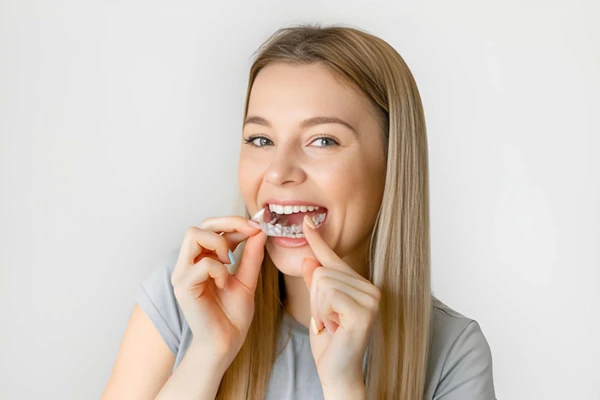
These clear retainers fit snugly over your teeth and are nearly invisible.
Benefits:
- Discreet appearance
- Comfortable fit
- Easy to wear
2. Hawley Retainers
These traditional retainers use acrylic and a metal wire.
Benefits:
- Durable
- Adjustable
- Long-lasting with proper care
3. Fixed Retainers
A thin wire is bonded behind the teeth and remains in place continuously.
Benefits:
- Works 24/7
- Cannot be forgotten
- Excellent for preventing lower front teeth from shifting
Each option has advantages, and the best choice depends on your individual treatment history and lifestyle.
Signs You Are Not Wearing Your Retainer Enough
Sometimes people reduce retainer wear too quickly.
Watch for these warning signs:
- The retainer feels unusually tight.
- It becomes difficult to insert.
- Small gaps begin appearing between teeth.
- Teeth look slightly different in photos.
That tight feeling is often your first clue that movement has already started.
The Bottom Line
Retainers are not just a short-term accessory after braces. They are the final step in protecting your investment and preserving your smile for years to come. While full-time wear is usually temporary, nighttime wear often becomes a long-term habit. It may feel a little inconvenient at first, but most patients quickly adjust. In the end, a few hours with a retainer each night is a small price to pay for keeping that confident, hard-earned smile looking its best.