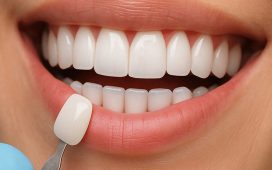


Losing a single tooth can affect more than just the appearance of your smile. Even one missing tooth can make chewing more difficult, affect speech, and allow neighboring teeth to gradually shift out of position. If left untreated, tooth loss may also contribute to changes in jawbone health over time.
Fortunately, modern dentistry offers several reliable tooth replacement options, and single tooth dental implants are often considered one of the most effective long-term solutions. Unlike removable appliances or traditional bridges, a dental implant replaces both the missing tooth root and the visible tooth, helping restore function, appearance, and oral health.
For patients in Ontario, understanding how single tooth implants work and whether they are the right option can make replacing a missing tooth less overwhelming.
Understanding Single Tooth Dental Implants
A dental implant is a small titanium post that is surgically placed into the jawbone where a natural tooth has been lost. Over time, the implant fuses with the surrounding bone through a natural process called osseointegration.
Once healing is complete, a custom-made dental crown is attached to the implant, creating a replacement tooth that closely resembles the look and function of a natural tooth.
A single tooth implant consists of:
- Titanium implant post
- Abutment (connector)
- Custom dental crown
Together, these components provide a stable and durable replacement for a missing tooth.
When Is a Single Tooth Implant Recommended?
A dentist may recommend a single tooth implant if a patient has lost one tooth due to:
- Severe tooth decay
- Dental trauma
- Gum disease
- A cracked or fractured tooth
- Congenital absence of a tooth
- Tooth extraction
Before treatment begins, the dentist evaluates the health of the gums, surrounding teeth, and jawbone to determine whether an implant is appropriate.
Benefits of Single Tooth Dental Implants
Dental implants offer several advantages compared to other tooth replacement options.
Natural Appearance
Implant-supported crowns are custom-made to match the size, shape, and color of surrounding teeth, creating a natural-looking smile.
Improved Chewing Function
Replacing a missing tooth helps restore biting strength and allows patients to eat a wider variety of foods comfortably.
Preserves Jawbone Health
When a tooth is missing, the jawbone beneath it can gradually shrink over time.
Because a dental implant replaces the tooth root, it helps stimulate the jawbone and may reduce bone loss.
Protects Nearby Teeth
Unlike a traditional bridge, an implant does not require neighboring healthy teeth to be reshaped for support.
This helps preserve natural tooth structure.
Long-Term Solution
With proper oral hygiene and regular dental care, dental implants can provide a durable and predictable solution for many patients.
Who May Be a Good Candidate?
Many adults qualify for implant treatment, although every patient requires a comprehensive evaluation.
Good candidates often have:
- One missing tooth
- Healthy gums
- Adequate jawbone density
- Good overall oral health
- Commitment to maintaining oral hygiene
If bone loss has occurred, additional procedures such as bone grafting may sometimes be recommended before implant placement.
What to Expect During Treatment
Understanding the treatment process helps patients prepare for each stage.
Initial Consultation
The dentist examines your mouth, reviews your medical history, and discusses your treatment goals.
Digital Imaging
Digital X-rays or 3D scans are used to evaluate the jawbone and carefully plan implant placement.
Implant Placement
The titanium implant is surgically placed into the jawbone under local anesthesia.
Healing Period
Over the following months, the implant gradually bonds with the surrounding bone.
During this time, your dentist monitors healing and may provide temporary restorations if needed.
Crown Placement
Once healing is complete, a custom-made crown is securely attached to the implant, restoring the appearance and function of the missing tooth.
Caring for Your Dental Implant
Proper care helps support the long-term success of your implant.
Helpful habits include:
- Brushing twice daily
- Flossing around the implant every day
- Attending regular dental examinations
- Avoiding tobacco products whenever possible
- Wearing a nightguard if you grind your teeth
Maintaining healthy gums is essential for protecting both the implant and surrounding natural teeth.
Prevention and Treatment Considerations
Replacing a missing tooth is only one part of maintaining lifelong oral health.
Prevention Tips
- Treat cavities early.
- Address gum disease promptly.
- Wear a mouthguard during sports.
- Avoid chewing hard objects such as ice.
- Maintain routine dental checkups.
- Replace missing teeth before neighboring teeth begin shifting.
Related Dental Treatments
Depending on your oral health needs, your dentist may also recommend:
- Dental bridges
- Dental crowns
- Bone grafting
- Cosmetic dentistry
- Family dentistry
- Emergency dental care
A personalized treatment plan helps ensure the most appropriate solution for your smile.
What to Expect During Follow-Up Visits
Follow-up appointments allow your dentist to monitor healing and ensure the implant remains healthy.
- Examine the implant site
- Check gum health
- Monitor bone support
- Evaluate your bite
- Review oral hygiene techniques
- Recommend ongoing maintenance
Regular monitoring plays an important role in the long-term success of dental implants.
Local Considerations for Ontario Patients
Ontario patients who lose a tooth should consider seeking professional evaluation as soon as possible. Early treatment may help preserve jawbone health and prevent neighboring teeth from shifting into the empty space.
Patients considering tooth replacement may benefit from visiting a dental clinic in Cambridge, ON to determine whether a single dental implant is the most appropriate option for restoring their smile.
Depending on your individual needs, your dentist may recommend dental implants in Cambridge, family dentistry, or restorative treatments such as dental crowns to restore both function and appearance.
Frequently Asked Questions
How long does it take to get a single dental implant?
The implant placement procedure is usually completed in one appointment, but healing before the final crown is attached typically takes several months.
Is getting a dental implant painful?
The procedure is performed under local anesthesia, and most patients experience only mild discomfort during the recovery period.
Can anyone receive a dental implant?
Many adults are good candidates, but healthy gums and adequate jawbone support are important. Your dentist will perform a comprehensive evaluation to determine if implant treatment is suitable.
How long do single tooth implants last?
With proper care, good oral hygiene, and regular dental visits, dental implants can provide a long-lasting solution for missing teeth.
Are dental implants better than bridges?
Both options have advantages. Dental implants help preserve jawbone health and do not rely on neighboring teeth for support, while bridges may be appropriate in certain situations. Your dentist can recommend the best option based on your oral health.
What happens if I don’t replace a missing tooth?
Leaving a gap untreated may lead to shifting teeth, bite changes, difficulty chewing, and gradual jawbone loss over time.
Final Thoughts
A single tooth dental implant is one of the most effective ways to replace a missing tooth while restoring both function and appearance. By replacing the tooth root as well as the visible crown, implants help support jawbone health, protect neighboring teeth, and provide a stable, natural-looking smile.
If you’ve lost a tooth, scheduling a professional dental evaluation can help you explore your treatment options and determine whether a single dental implant is the right solution for your needs. Regular dental checkups and professional guidance can help patients maintain long-term oral health and enjoy a healthy, confident smile for years to come.