

INTRODUCTION
Blurry vision can affect everyday activities such as reading, driving, working, or using digital devices. While temporary blurriness may result from eye strain or fatigue, persistent or recurring symptoms should never be ignored. Scheduling an eye exam at the right time can help identify the underlying cause and prevent potential vision problems from worsening. Knowing what to consider before booking your appointment can help you get the most out of your visit.
Understanding what to expect before you book an appointment can make the process easier and more productive. If you are unsure whether your symptoms require routine care or a more urgent evaluation, reviewing a Schedule Eye Exam Blurry Insights can help you recognize important factors to consider. The timing of your visit, changes in your vision, and any accompanying symptoms can all influence how quickly you should seek professional attention.
PAY ATTENTION TO YOUR SYMPTOMS
Before scheduling an eye exam, take note of your symptoms. Consider when the blurry vision started, whether it affects one eye or both, and if it occurs constantly or only during certain activities. Other symptoms such as headaches, eye pain, flashes of light, or floaters should also be mentioned to your eye care professional. Keeping track of these details can help the doctor better understand your condition.
CHOOSE THE RIGHT TYPE OF EYE CARE PROVIDER
Not all vision concerns require the same type of specialist. Routine eye exams are suitable for checking vision changes and updating prescription glasses or contact lenses. However, if blurry vision is sudden, severe, or accompanied by pain or vision loss, you may need immediate medical attention from an ophthalmologist or emergency care provider. Selecting the appropriate professional ensures timely diagnosis and treatment.
PREPARE YOUR MEDICAL HISTORY
Your overall health plays an important role in your vision. Conditions such as diabetes, high blood pressure, and autoimmune disorders can contribute to blurry vision. Before your appointment, prepare a list of current medications, existing health conditions, previous eye surgeries, and any family history of eye diseases. This information allows your eye care provider to assess possible risk factors more effectively.
BRING YOUR CURRENT EYEWEAR
While attending the appointment, it’s better to bring your current eyewear or contact lenses. Your eye doctor can compare your current prescription with your vision needs and determine whether changes are necessary. Even if your eyewear seems to work well, regular evaluations ensure your prescription remains accurate and comfortable.
AVOID DELAYING THE APPOINTMENT
Many people assume blurry vision will improve on its own, but delaying an eye exam can allow certain conditions to progress. Early diagnosis is essential for managing problems such as glaucoma, cataracts, or retinal disorders. Seeking professional evaluation promptly can protect your vision and improve treatment outcomes.
BE READY FOR ADDITIONAL TESTING
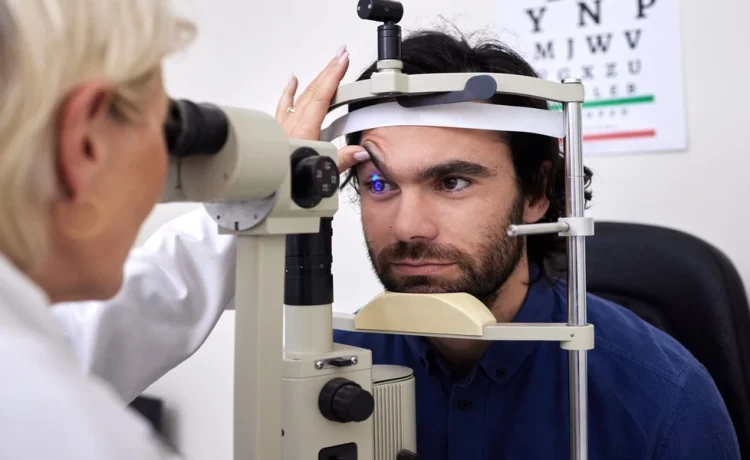
Depending on your symptoms, the eye doctor may recommend tests beyond a standard vision exam. These may include retinal imaging, eye pressure measurement, or pupil dilation to examine the back of the eye. While these tests may extend the appointment, they provide valuable information about your eye health.
FINAL THOUGHTS
Scheduling an eye exam for blurry vision is an important step toward maintaining healthy eyesight. Paying attention to your symptoms, choosing the right eye care provider, sharing your medical history, and seeking timely evaluation can help identify vision problems before they become more serious.