

Exercise tolerance describes how well the body responds when physical activity increases its demand for oxygen and energy. It does not apply only to running, cycling, or structured workouts. Walking through a large store, carrying bags, gardening, or keeping pace with other people can reveal how effectively the cardiovascular system responds to exertion. When these activities suddenly or gradually become more difficult, heart doctors may use the change as an important piece of clinical information.
Recovery Time Can Reveal More Than Performance
How quickly someone recovers after exertion can be as informative as how much activity the person can complete. After physical effort, breathing and heart rate should gradually return toward their resting levels.
A person who previously recovered quickly but now needs considerably longer may notice the difference before any obvious symptom develops. Doctors can ask about this recovery period to understand whether the body’s response to exertion has changed.
The important comparison is often not with another person’s fitness level but with the patient’s own previous capacity.
Doctors Pay Attention To The Point Where Difficulty Begins
The timing of discomfort during physical activity can provide useful clues. Some people can begin exercising normally but develop problems only after reaching a particular intensity. Others notice difficulty almost immediately.
Doctors might ask someone how far they can walk, how many flights of stairs they can climb, or how long they can do something before something changes. Establishing this threshold provides a practical reference point that can be compared over time.
Exercise Can Expose Problems Hidden At Rest
Resting places relatively modest demands on the cardiovascular system. Physical activity creates a different situation because working muscles require increased blood flow and oxygen.
As demand rises, the heart must respond appropriately. Certain cardiovascular problems may therefore become more noticeable during exertion than during rest. This is one reason physicians are interested in symptoms that consistently appear during activity and improve afterward.
People who repeatedly notice a decline in their normal physical capabilities may search for heart doctors near me to determine whether the change deserves cardiovascular evaluation rather than assuming it is simply poor fitness.
Blood Flow During Activity Provides Useful Information
Exercise requires the cardiovascular system to distribute more oxygenated blood to active tissues. If circulation cannot adequately meet this increased demand, a person may experience unusual limitations.
Doctors consider the circumstances surrounding these limitations. They may investigate whether discomfort appears predictably at a certain workload and whether reducing activity makes it disappear. These details can help determine what additional evaluation may be appropriate.
Heart Rate Response Offers Another Piece Of The Puzzle
Heart rate normally changes according to physical demand. During exercise, it generally increases to support greater circulation and then gradually decreases during recovery.
An unusual response can sometimes provide useful clinical information. The heart rate may rise differently than expected, remain elevated longer after activity, or fail to respond sufficiently to increasing exertion.
Physicians interpret these observations within the patient’s broader clinical situation rather than using one heart rate number to conclude.
Different Activities Can Produce Different Clues
Patients do not necessarily experience limitations during every form of movement. Someone might comfortably walk on level ground but struggle on an incline. Another person may notice problems only while carrying something heavy or performing sustained activity.
These distinctions matter because different tasks place different demands on the cardiovascular system. Providing specific examples can give a doctor more useful information than simply saying exercise has become harder.
Objective Testing Can Measure Exercise Response
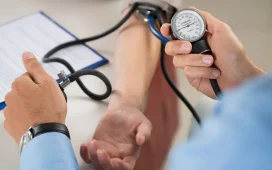
When clinically appropriate, doctors may use controlled testing to observe cardiovascular performance during exertion. Exercise-based assessments can evaluate factors such as heart rate, rhythm, blood pressure response, symptoms, and overall functional capacity.
The results can then be interpreted alongside the patient’s reported experiences. Combining real-life observations with measured responses can create a clearer picture of what happens when cardiovascular demand increases.
Changes In Capacity Are Worth Recognizing
Exercise tolerance naturally varies according to fitness, age, recent activity, and many other factors. What often matters most is a meaningful change from a person’s established baseline.
By examining exertion thresholds, recovery, circulation demands, heart rate responses, and differences between activities, heart doctors can gain information that may not be apparent while a patient is resting. Paying attention to changing physical capacity can therefore provide valuable insight into how the cardiovascular system performs when it is asked to work harder.