
High blood pressure is one of the most common cardiovascular risk factors, yet many people do not feel any symptoms until it has already affected the heart, brain, kidneys, or blood vessels. This is why choosing a blood-pressure program should involve more than searching for the “best medicine.”
A strong hypertension program should confirm the diagnosis accurately, assess overall cardiovascular risk, address lifestyle factors, manage medicines safely, and monitor whether blood pressure is controlled over time. For people considering Ayurveda or integrative care, these principles remain essential.
Confirm That Blood Pressure Is Truly High
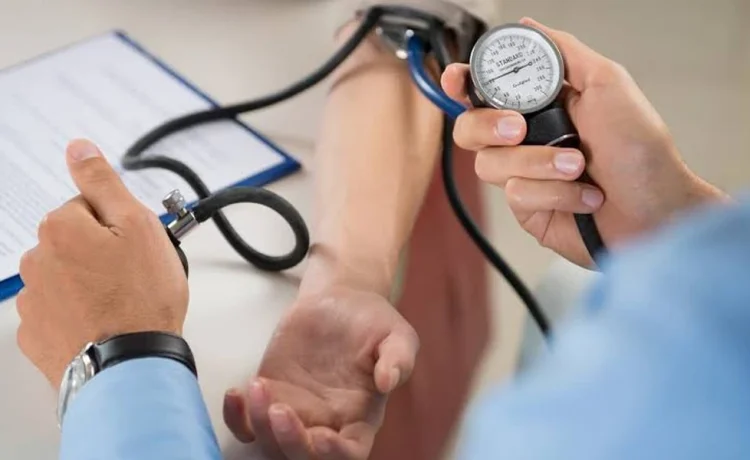
A single clinic reading may not represent a person’s usual blood pressure. Stress, pain, caffeine, poor sleep, recent activity, and measurement technique can all influence the result.
A reliable hypertension treatment program should use correct measurement methods and, when appropriate, repeated home readings or ambulatory monitoring. This helps distinguish persistent hypertension from temporary elevation and can also identify patients whose pressure is normal in the clinic but high at other times.
Accurate diagnosis matters because treatment decisions depend on the average blood pressure and the patient’s total cardiovascular risk.
Look at Overall Heart Risk, Not Only the BP Number
Two people with the same blood pressure may have very different levels of risk. Diabetes, kidney disease, smoking, high cholesterol, obesity, previous heart disease, and age all influence how aggressively blood pressure should be managed.
A clinically supervised program should therefore review these conditions rather than treating hypertension in isolation. Patients with existing cardiovascular disease or diabetes often require closer monitoring.
This is also why a hypertension program should connect with broader heart disease treatment when the patient has chest symptoms, coronary disease, heart failure, or other cardiac problems.
Ask How Medicines Will Be Managed
Many patients need one or more blood-pressure medicines. The correct choice depends on age, kidney function, diabetes, heart conditions, other medicines, and possible side effects.
A responsible program should review current treatment and adjust it only when there is a clear clinical reason. Sudden discontinuation can cause blood pressure to rise and may be dangerous.
People exploring Ayurvedic therapies should tell their doctor about every herbal product or supplement they use. Some can influence blood pressure, potassium levels, kidney function, or the effects of prescription medicines.
Build a Lifestyle Plan That Can Be SustainedMedication is important, but lifestyle measures can also meaningfully support blood-pressure control. A heart-healthy eating pattern, lower sodium intake, regular physical activity, healthy weight, adequate sleep, stress management, and avoiding tobacco all matter.
The plan should be specific. “Eat healthy” is less useful than practical guidance about portions, packaged foods, salt, vegetables, protein, and meal patterns.
Exercise recommendations should also match the patient’s fitness level and medical history. Someone with uncontrolled hypertension or known heart disease may need medical clearance before beginning vigorous activity.Address Metabolic Syndrome
High blood pressure often occurs together with abdominal obesity, high blood sugar, high triglycerides, and insulin resistance. This cluster is commonly described as metabolic syndrome.
When these conditions occur together, cardiovascular risk can be higher than the blood-pressure number alone suggests. A program should therefore assess weight, waist circumference, glucose, and lipid levels as part of the broader risk profile.
Patients with both diabetes and hypertension need coordinated care because each condition can increase the complications of the other.
Monitor at Home When AppropriateHome blood-pressure monitoring can help patients and clinicians understand whether treatment is working throughout the week rather than only during clinic visits.
Patients should be taught how to sit correctly, use an appropriate cuff, rest before measuring, and record readings consistently. Bringing a home monitor to a clinic visit can also help confirm that the device and technique are reliable.
The purpose is not to measure obsessively. It is to create enough reliable data to guide treatment decisions.
Know When High BP Needs Urgent Medical Attention
Very high readings accompanied by chest pain, severe breathlessness, neurological symptoms, confusion, fainting, or other concerning symptoms require urgent medical evaluation.
A non-surgical or Ayurvedic program should never delay emergency care in these situations. Good integrative care includes clear escalation rules so patients know when routine management is no longer appropriate.
What Role Can Ayurveda Play?
Ayurvedic dietary, lifestyle, relaxation, and supportive therapies may be included when medically appropriate. Their role should be complementary to safe hypertension management.
A good program should avoid claims that everyone can stop medicines. If blood pressure improves substantially with weight loss, diet, activity, or other changes, medication needs can sometimes change, but this should happen under clinical supervision.
Check Adherence Before Assuming Treatment Has Failed
When blood pressure remains high, the first step is not always to add another medicine. Clinicians should review whether medicines are being taken consistently, whether doses are being missed because of side effects or cost, and whether home measurements are accurate.
This conversation should be non-judgmental. A simpler schedule, better education, or treatment of side effects can sometimes improve control more than repeatedly changing medicines. Resistant hypertension should be evaluated carefully rather than assumed after a few elevated readings.
Questions to Ask Before EnrollingAsk how the diagnosis is confirmed, whether home or ambulatory monitoring is used, how medicines are reviewed, and which cardiovascular risk factors are checked. Also ask what happens if blood pressure remains high despite following the program.
The best BP treatment is not a single tablet, herb, or therapy. It is a coordinated plan that combines accurate measurement, appropriate medicine, sustainable lifestyle change, risk-factor control, and regular follow-up so that the patient’s long-term risk of heart attack, stroke, kidney disease, and heart failure can be reduced.