
Because they often have weakened immune systems, chronic medical conditions, and restricted mobility, residents of nursing homes are more vulnerable to infections than the general population. Even a minor infection can quickly become a serious health concern if it is not identified and treated promptly. For this reason, infection prevention policies play a vital role in protecting residents and maintaining a safe care environment.
These policies are more than a checklist of cleaning procedures. They establish clear standards for hygiene, staff training, resident care, and emergency response, helping facilities reduce the risk of preventable illnesses while improving overall quality of life.
Creating A Culture Of Hygiene
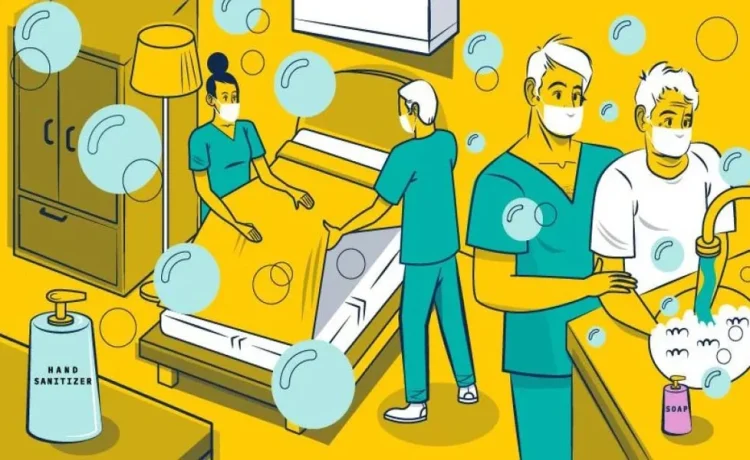
Effective infection prevention begins with proper hygiene practices. Nursing homes must ensure that caregivers consistently wash their hands before and after interacting with residents, wear appropriate protective equipment when necessary, and follow sanitation protocols throughout the facility.
Frequently touched surfaces such as Bed Rails, Door Handles, Dining Tables, and medical equipment require regular cleaning and disinfection. A consistent cleaning schedule reduces the spread of bacteria and viruses that can easily move between residents in shared living spaces.
When hygiene becomes part of the daily routine for every staff member, the likelihood of infection outbreaks decreases significantly.
Protecting Residents Through Early Detection
Many infections become dangerous because they are not recognized in their early stages. Seniors may experience subtle symptoms that differ from those seen in younger adults, making routine monitoring especially important.
Regular health assessments help caregivers identify warning signs such as fever, confusion, unusual fatigue, changes in appetite, or skin abnormalities before conditions worsen. Prompt reporting and medical evaluation allow healthcare providers to begin treatment earlier, reducing complications and improving recovery outcomes.
Early detection policies also help prevent contagious illnesses from spreading throughout the facility.
Staff Training Makes A Difference
Even the most comprehensive infection control policy is only effective when employees understand how to implement it correctly. Ongoing education ensures caregivers stay informed about current infection prevention practices, proper use of protective equipment, wound care procedures, and isolation protocols.
Training also helps employees recognize situations that require immediate medical attention. Staff members who understand infection risks are more likely to respond quickly, follow established procedures, and protect both residents and coworkers from unnecessary exposure.
Consistent care becomes the norm rather than the exception in a safer setting created by well-trained workers.
Safe Food Preparation And Medication Practices
Food safety is another essential component of infection prevention. Improper food handling can expose vulnerable residents to harmful bacteria that cause severe gastrointestinal illnesses.
Nursing homes should maintain strict standards for food storage, meal preparation, kitchen sanitation, and temperature control. Residents with special dietary needs should also receive meals prepared according to medical recommendations.
Similarly, medications should be administered using clean techniques that minimise contamination. Proper handling of medical supplies, feeding equipment, and reusable devices further reduces infection risks.
Preventing Infections Through Proper Wound Care
Many nursing home residents experience pressure injuries, surgical wounds, or chronic skin conditions that require ongoing treatment. Bacteria can infiltrate the body and cause dangerous illnesses if wounds are not properly managed.
Routine skin inspections, timely dressing changes, moisture management, and pressure relief strategies all contribute to healthier healing. Caregivers should carefully document wound progression and report any signs of redness, swelling, drainage, or worsening pain immediately.
Consistent wound care policies protect residents from preventable complications while supporting faster recovery.
Communication And Accountability
Strong infection prevention programs depend on open communication among caregivers, nurses, physicians, administrators, residents, and family members. Reporting unusual symptoms without delay allows healthcare teams to act quickly and coordinate treatment.
Facilities should also perform regular audits of infection control practices, review compliance with established policies, and update procedures when new public health guidance becomes available. Continuous evaluation helps identify weaknesses before they lead to larger problems.
Families also benefit from understanding infection prevention procedures so they can recognize concerns and advocate for appropriate care when necessary.
Supporting Resident Safety Through Responsible Care
Infection prevention policies demonstrate a facility’s commitment to protecting the health and dignity of every resident. When nursing homes consistently follow established protocols, they reduce avoidable illnesses, improve recovery rates, and create a healthier living environment for everyone.
Unfortunately, failures in sanitation, supervision, or medical care can sometimes contribute to preventable infections that place residents at unnecessary risk. In situations where concerns arise regarding the standard of care, families may seek information from experienced professionals such as Nursing Home Injury Law Group to better understand their legal options.
Conclusion
Preventing infections requires dedication, consistency, and attention to detail throughout every aspect of nursing home care. From proper hygiene and staff education to wound management and early medical intervention, comprehensive infection prevention policies protect residents from avoidable harm.