

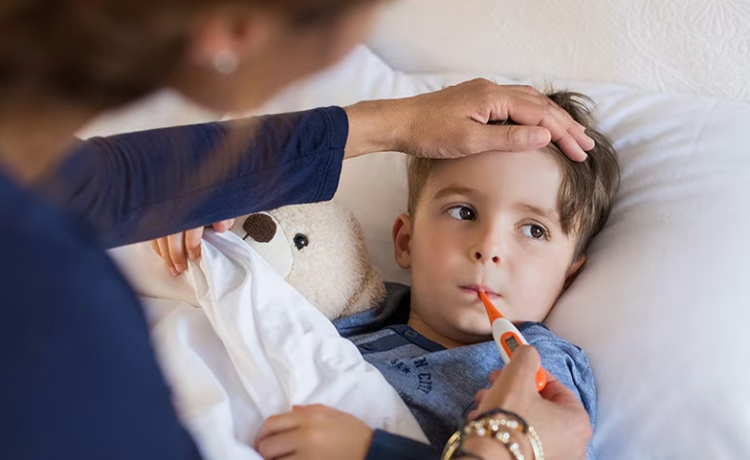
Childhood fever often worries families seeking quick reassurance. Careful monitoring and calm responses protect young patients effectively. Professional guidance during children fever treatment supports accurate evaluation and steady recovery. Reliable medical attention reduces confusion during stressful situations. Early assessment helps identify causes before symptoms intensify. Families feel reassured when trained professionals guide care decisions.
Early Recognition Improves Pediatric Fever Safety
Attentive observation helps guardians notice temperature changes early. Small behavioral shifts sometimes reveal illness before strong symptoms appear. Prompt evaluation encourages safer care decisions for young patients.
- Observe unusual tiredness or reduced play activity
- Track temperature changes using reliable thermometers
- Notice appetite loss or sudden irritability signs
- Monitor sleep disturbances during illness periods
Consistent observation strengthens understanding of children’s health patterns. Parents react faster when warning signals appear clearly. Early response reduces risks linked with untreated fever.
Practical Steps Supporting Home Fever Care
Comfort focused care at home improves recovery progress. Gentle attention keeps children calm while symptoms gradually reduce. Simple measures often assist physicians managing mild fever cases.
- Offer fluids frequently preventing dehydration concerns
- Use lightweight clothing supporting comfortable body temperature
- Maintain quiet resting spaces for better recovery
- Record temperature readings before medication administration
Thoughtful care keeps children relaxed during illness periods. Rest and hydration assist natural immune responses. Families gain confidence managing minor fever situations.
How Can Parents Recognize Concerning Fever Signs?
Parents sometimes struggle distinguishing harmless fever from serious illness. Certain warning signals require immediate medical evaluation. Persistent vomiting, severe weakness, or unusual breathing deserve attention. Skin rashes combined with high temperature also concern physicians.
Do these symptoms suggest urgent professional care?Medical consultation quickly clarifies possible causes and risks. Pediatric specialists examine children carefully before suggesting treatment steps. Clear explanations help guardians understand illness progression.
Medical Monitoring During Pediatric Fever Management
Healthcare providers evaluate symptoms carefully during consultations. Temperature readings, physical examinations, and history discussions guide decisions. Structured care plans support effective children fever treatment for young patients.
- Measure temperature accurately during repeated medical checks
- Assess hydration levels and general child behavior
- Review previous illnesses affecting present symptoms
- Determine medication needs based on evaluation findings
Professional supervision reassures families facing uncertain symptoms. Doctors explain safe medication use and monitoring practices. Guidance improves safety while illness gradually resolves.
What Questions Should Parents Ask Doctors?
Clear communication strengthens trust between families and physicians. Parents benefit from asking practical questions during consultations. Understanding medication instructions prevents mistakes at home. Asking about warning signs helps families remain prepared.
Which symptoms require immediate hospital visits?Doctors appreciate engaged parents seeking clear explanations. Shared understanding improves cooperation throughout treatment periods. Children benefit greatly from coordinated family and medical support.
Hydration And Rest Strengthen Fever Recovery
Maintaining comfort supports children recovering from temporary fever. Proper hydration and rest assist the body during recovery. Gentle care routines help children regain normal activity levels.
- Encourage small frequent sips of fluids
- Offer light meals supporting gentle digestion
- Ensure adequate sleep during illness recovery
- Maintain comfortable room temperature for resting
Consistent hydration prevents weakness during illness periods. Rest allows the body to restore normal balance. Supportive care improves comfort until symptoms gradually reduce.
Supportive Care Builds Confidence For Families
Pediatric care improves when families feel informed. Clear guidance helps parents remain calm during illness episodes. Medical teams and caregivers cooperate protecting children’s health. Thoughtful support encourages careful monitoring and responsible decisions. Families gradually recognize patterns within childhood illnesses. Confidence grows through experience and reliable professional advice.