

Dental implant surgery is a treatment used to replace missing teeth in a strong and long-lasting way. Instead of resting on the gums like dentures or relying on nearby teeth like bridges, dental implants are placed directly into the jawbone. Many patients also want to understand the dental implants cost before starting treatment, as it can vary depending on several factors. This makes them feel more stable and natural. Once healed, dental implants allow people to eat, speak, and smile with confidence.
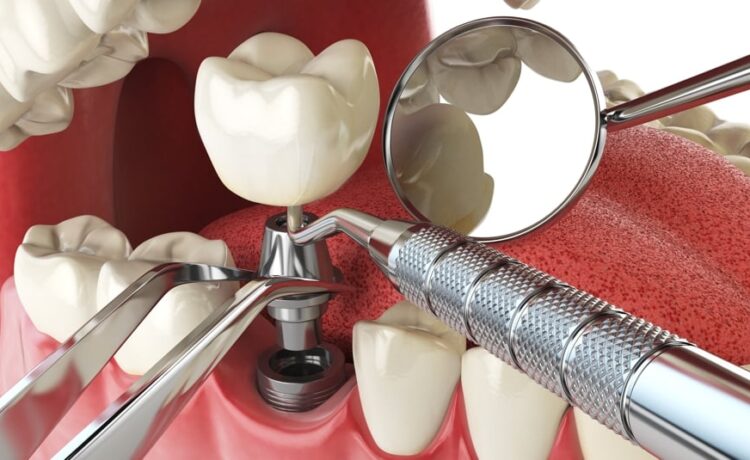
A dental implant works as an artificial tooth root. It is a small post made from materials that are safe for the body. This post is placed into the jawbone during surgery. Over time, the bone grows around the implant and holds it tightly in place. After healing, an artificial tooth is attached on top, completing the replacement.
Dental implant surgery is usually recommended for people who have lost one or more teeth due to decay, injury, gum problems, or grinding. A person must have healthy gums and enough jawbone to support the implant. If the jawbone is weak, additional treatment may be needed to strengthen it before placing the implant. People who smoke heavily or have certain health conditions may need special evaluation before choosing this option.
Before the surgery, a detailed examination is done. This includes checking the teeth, gums, and jawbone, along with reviewing medical history. Based on this information, a personalised treatment plan is created. During the procedure, medication is used to numb the area so the patient does not feel pain. Some people may also receive medication to help them relax.
The treatment usually happens in steps. First, any damaged tooth is removed if required. Then, the implant is fixed into the jawbone. After this step, the healing phase begins. During healing, the bone slowly attaches itself to the implant. This process is very important for long-term success and can take several months.
Once healing is complete, a small connector piece is added to the implant. After the gums recover, a replacement tooth is placed on top. The artificial tooth is designed to match the colour and shape of natural teeth, creating a natural-looking smile. The final tooth may be fixed permanently or designed to be removable, depending on the situation.
After surgery, some swelling, soreness, or mild bleeding is normal. These symptoms usually improve within a few days. Pain can often be managed with basic medication. Soft foods are recommended during the early healing stage. Following care instructions closely helps reduce the risk of problems.
Dental implants have a high success rate when cared for properly. Maintaining good oral hygiene, avoiding harmful habits like chewing hard objects, and visiting the dentist regularly can help implants last for many years. With proper care, dental implants provide a reliable and natural solution for missing teeth and help improve overall quality of life.