

Introduction
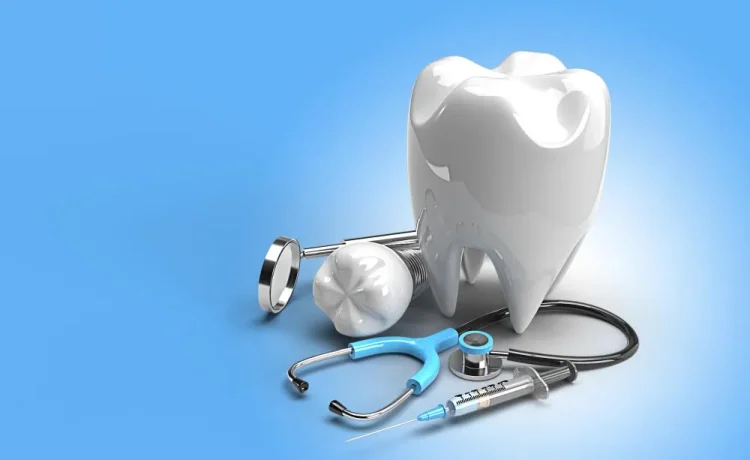
Dental implants are among the best options for tooth repair. In this procedure, small screws made of titanium are inserted straight into the jawbone to hold artificial substitute teeth, known as crowns, through an anchor. dental implants and related operations may seem expensive up front, but they are among the most beneficial, long-lasting, and economical restoration techniques available now. Additionally, they are an expense for your general health because of enhanced technology and increased coverage approval. This article will explain more about dental implants.
Why are implants preferred?
Dental implants are an effective solution for replacing missing teeth and an asset in your overall well-being, with a normal lifetime of over thirty years and an accuracy rate of more than 95 percent. Replacing a tooth is a decision that will pay off in terms of enhanced dental and general wellness, including better gums and tooth wellness, better nutrition, a lower risk of long-term diseases, and enhanced mental well-being. Serious illnesses like dementia and coronary heart disease have been connected to missing teeth. Dental implants can appear costlier than other alternatives, but they may end up being more useful over time. Conventional bridges and veneers frequently require replacement at regular intervals, which may rapidly drain your bank account. Dental implants, on the other hand, are lifelong and everlasting.
Additional benefits
Keeping your jawbone safe
Within the initial year after losing a tooth, you may lose as much as twenty percent of the strength of your jawbone. If you don’t replace the lost tooth, your jawbone will keep degrading and shrink, which may cause the remaining teeth to move out of position. In the end, this shifting may result in more severe problems like gum disease, decay, and even more missing teeth. Your face’s shape may change as the bone weakens. This frequently results in hollowed cheekbones and loose skin, which can make you appear older than you actually are. Unfortunately, standard tooth substitutes like bridges and veneers fail to prevent this bone degeneration because they only treat the region above the enamel and gum line. Dental implants maintain any residual natural teeth and the functioning of the jaw, and safeguard artificial teeth by stimulating the jaw and acting as tooth roots.
A natural look
The only substitute tooth that can replicate a natural tooth’s base and crown is a dental implant. They feel effortless because of this, which is what makes them preferred. A titanium screw is inserted into your jawbone to begin the procedure. Osteointegration is the process by which your bone gradually merges with the screw. Similar to the base of a natural tooth, this combination produces a solid, secure basis. An attachment, which serves as a link between the dental implant and the crown of the tooth, is secured to the top of the screw once it has been entirely merged. As a result, the tooth will never need to be repaired or changed and will appear and feel authentic.