

Introduction
The way a morning begins can influence how the rest of the day feels. Waking up to notifications, rushing through breakfast, or immediately thinking about unfinished tasks can create a sense of pressure before the day has properly started. In contrast, a slower and more intentional morning can help people feel organised, focused, and emotionally balanced.
Creating a calmer morning does not require waking up at an unusually early hour or following a complicated wellness routine. Small actions, such as drinking water without distractions, stretching gently, spending a few minutes outdoors, or setting a clear intention, can make mornings feel more manageable.
The goal is not to make every morning perfect. It is to build simple habits that encourage awareness and allow enough space to prepare mentally and physically for the day ahead.
Why Your Morning Routine Deserves Attention
Mornings often involve several competing demands. People may need to prepare for work, manage household responsibilities, get children ready, or commute to different locations. When every action feels rushed, it becomes easy to move through the day without noticing how the body or mind feels.
A thoughtful morning routine introduces small pauses between these responsibilities. It can help people recognise their priorities, notice their emotions, and approach everyday challenges with greater intention.
There is no single routine that works for everyone. Someone with an early shift may benefit from a five-minute practice, while someone with a flexible schedule may have time for journaling or a longer walk. Consistency and practicality matter more than the number of activities included.
Begin With Awareness Instead of Your Phone
For many people, checking a phone is the first activity of the day. Messages, emails, headlines, and social media can quickly direct attention towards other people’s needs and opinions.
Try creating a short gap between waking up and opening digital applications. Even five or ten minutes without a screen can provide an opportunity to notice your surroundings and prepare for the day at your own pace.
- Sit comfortably and take a few natural breaths.
- Notice whether you feel rested, tired, or anxious.
- Open a window and observe the morning light.
- Drink a glass of water without multitasking.
- Think about one thing you would like to approach calmly today.
This practice is not about avoiding technology altogether. It is about choosing when to engage with it rather than allowing notifications to determine your first moments of awareness.
Build a Routine Around Small, Repeatable Actions
A morning routine becomes easier to maintain when it consists of activities that fit naturally into everyday life. Instead of changing your entire schedule at once, choose two or three actions that address your most common morning challenges.
For example, someone who wakes up feeling rushed might prepare clothes and breakfast ingredients the previous evening. Someone who struggles to feel alert might open the curtains, wash their face, and take a brief walk. A person who begins the day worrying about responsibilities could write down the day’s three main priorities.
These mindful habits encourage people to pay attention to ordinary activities rather than performing them automatically. The benefit comes from bringing awareness to actions that already belong in the day.
It can also help to connect a new habit to an existing one. Take a few slow breaths after brushing your teeth, stretch while waiting for water to boil, or review your priorities after breakfast. Linking actions in this way reduces the need to remember an entirely separate routine.
Use Breathing to Create a Moment of Calm
Breathing is something the body does continuously, but paying attention to it can offer a simple way to pause during a busy morning.
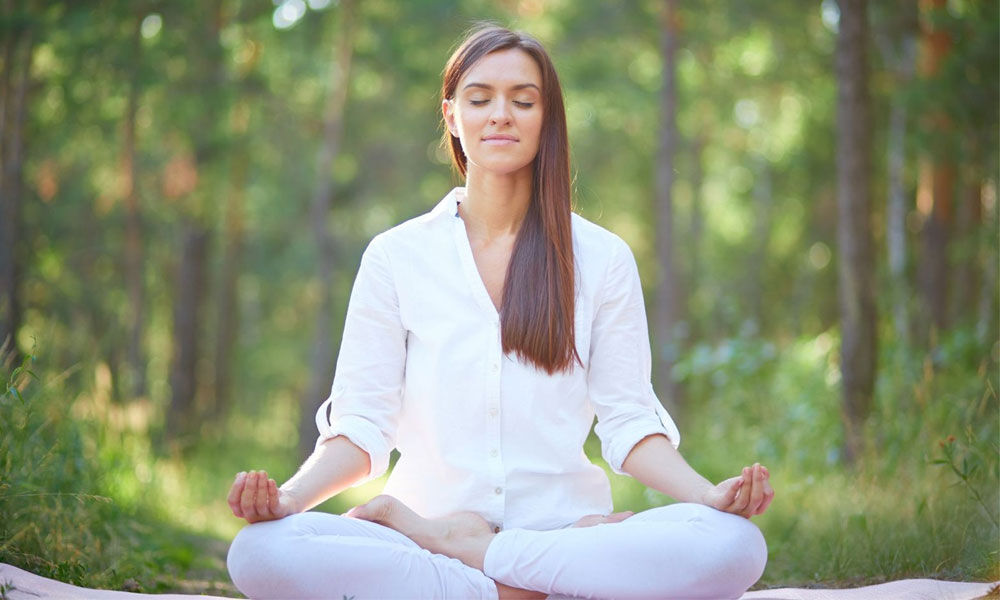
Find a comfortable position, relax your shoulders, and notice the natural movement of your breath. Allow the inhale and exhale to happen without forcing them. If your thoughts wander towards appointments or unfinished work, gently bring your attention back to breathing.
Start with one or two minutes. If the practice feels comfortable, extend it gradually.
Some people prefer to count their breaths, while others find it easier to notice the feeling of air moving through the nose or the rise and fall of the abdomen. Choose whichever approach feels natural.
Avoid trying to take excessively deep breaths or holding your breath for long periods. If you feel dizzy or uncomfortable, return to normal breathing and stop the exercise.
This brief pause is not intended to remove every difficult thought. Instead, it offers a chance to notice what is happening internally before responding to the demands of the day.
Make Space for Movement
Gentle movement can help transition the body from rest to activity. It does not need to involve an intensive workout or a lengthy exercise session.
Depending on your comfort and schedule, consider:
- Simple stretching: Move the shoulders, extend the arms, and gently stretch the legs.
- A short walk: Walk around your home, garden, or nearby street if the surroundings are safe.
- Gentle yoga: Choose comfortable movements that suit your mobility and experience.
- Everyday movement: Make the bed, water plants, or tidy a small area while paying attention to each action.
Focus on how your body feels rather than trying to achieve a particular level of performance. If you experience pain, dizziness, or unusual discomfort, stop and adjust the activity as needed.
Movement can also become a useful transition between personal time and professional responsibilities. Even a brief stretch after getting dressed may help you feel more prepared to begin work.
Choose a Morning Drink and Breakfast With Attention
Food and drink are often consumed quickly while people check messages, get ready, or think about their schedules. Bringing attention to these ordinary activities can make them feel less rushed.
Begin by drinking water if that suits your needs. When preparing tea, coffee, or another morning drink, notice its aroma, warmth, and flavour. Rather than finishing it while scrolling through your phone, take a few moments to enjoy it.
Breakfast can offer a similar opportunity. Choose a meal that fits your preferences, nutritional needs, culture, and schedule. This might be fruit and yoghurt, eggs and toast, porridge, or a familiar home-cooked meal.
Try sitting down when possible and paying attention to the food instead of eating entirely on autopilot. There is no need to turn every meal into a formal exercise. Simply reducing distractions for a few minutes can make the experience more intentional.
If you do not usually eat breakfast, there is no requirement to force a particular routine. The aim is to make thoughtful choices that support your individual needs.
Set One Intention for the Day
A long to-do list can make the morning feel crowded before any work begins. Setting one intention offers a simpler way to decide how you want to approach the hours ahead.
An intention is different from a task. A task describes something you need to complete, while an intention describes the attitude or quality you want to bring to your actions.
Examples include:
- I will give important tasks my full attention.
- I will take a short pause before reacting when I feel frustrated.
- I will make time for a proper lunch break.
- I will communicate clearly instead of assuming others understand me.
- I will be patient with myself when plans change.
You can write your intention in a notebook or simply reflect on it while getting ready. Keep it realistic and flexible. An intention should guide your choices, not become another standard against which you judge yourself.
Include a Small Practice of Gratitude
Gratitude can help direct attention towards positive or meaningful aspects of everyday life without denying existing difficulties.
Each morning, identify one thing you appreciate. It might be a supportive friend, a comfortable place to sleep, a favourite morning drink, an opportunity to learn, or a quiet moment before the household wakes up.
You could write one sentence in a journal or mentally acknowledge the experience. Some people also find it helpful to recognise something they are looking forward to, such as speaking with a loved one or completing a meaningful project.
The practice does not require pretending that everything is going well. You can appreciate one part of your life while still acknowledging stress, uncertainty, or disappointment.
Over time, this brief reflection may encourage a more balanced way of noticing daily experiences.
Make Room for Personal Meaning
For some people, a calm morning includes reflection on values, purpose, connection, or a sense of something larger than everyday responsibilities. Others prefer quiet observation, creative expression, or simply sitting without a specific goal.
A personal practice connected with spirituality might include prayer, reading an inspirational passage, repeating a meaningful phrase, spending time in nature, or reflecting on the kind of person you want to be.
There is no single required belief or method. The practice should feel authentic to you rather than something performed because it appears in a popular routine.
For instance, you might spend three minutes reflecting on kindness before leaving home. You could read a short passage that reminds you of your values or sit near a window and appreciate the natural world. If spiritual practices are not part of your life, quiet reflection or writing down what matters to you can serve a similar personal purpose.
What matters is creating a little space to connect daily actions with the values you want to carry into your relationships and responsibilities.
A Practical Morning Plan for Different Schedules
Rather than copying an elaborate routine, adapt the length of your practice to the time available.
When you have five minutes
- Drink some water.
- Take a few comfortable breaths.
- Choose one priority for the day.
When you have fifteen minutes
- Spend a few minutes away from your phone.
- Stretch or take a short walk.
- Eat or drink something without distractions.
- Set an intention for the day.
When you have thirty minutes
- Begin with quiet reflection or breathing.
- Include gentle movement.
- Enjoy breakfast at a comfortable pace.
- Write down your main priorities.
- Spend a moment on gratitude or another personally meaningful practice.
These are flexible examples, not schedules that must be followed exactly. You can move activities around, shorten them, or skip anything that creates unnecessary pressure.
What to Do When Your Routine Falls Apart
Some mornings will be disrupted by late nights, unexpected responsibilities, travel, or changes in your schedule. Missing a habit does not mean that your progress has disappeared.
Instead of trying to compensate by completing every missed activity the next day, return to one manageable action. Take three comfortable breaths, stretch briefly, or decide on a clear first task.
It can also help to prepare for difficult mornings in advance. Keep a notebook near your bed, set out comfortable clothes, or decide which habit you will prioritise when time is limited.
Review your routine occasionally. If an activity consistently feels stressful or impractical, change it. A useful routine should support your life, not make ordinary responsibilities more complicated.
Conclusion
A calmer morning begins with small choices rather than a perfect schedule. Creating a little distance from digital distractions, breathing with awareness, moving gently, eating without rushing, and setting a daily intention can help make the start of the day feel more deliberate.
The most effective routine is one that fits your circumstances and can be repeated without adding pressure. Begin with one or two activities, notice how they affect your mornings, and make adjustments as your needs change.
By building simple mindful habits, you can create more opportunities for reflection, purposeful action, and a stronger connection with what matters to you. Progress does not depend on following every step each day; it comes from returning to small practices whenever you can.
Frequently Asked Questions
1. What are some simple mindful morning habits?
You can start with a few minutes away from your phone, comfortable breathing, gentle stretching, drinking water, writing down your priorities, or practising gratitude. Choose activities that fit your schedule and feel manageable.
2. How long should a mindful morning routine take?
There is no fixed duration. Even five minutes can provide an opportunity to pause and prepare for the day. If you have more time, you can add movement, journaling, breakfast, or quiet reflection.
3. Do I need to wake up early to have a mindful morning?
No. A mindful routine can begin whenever you wake up. Consistency, practicality, and attention to your needs are more important than waking up at a particular hour.
4. Can mindful morning habits help reduce stress?
They may help you approach the day with greater awareness and organisation. Breathing, gentle movement, and realistic planning can provide useful pauses, although they are not substitutes for professional support when stress becomes persistent or overwhelming.
5. How can I maintain a morning routine when I am busy?
Start with one habit that takes only a minute or two and connect it to an activity you already perform. Keep a shorter version for busy days and avoid treating missed sessions as failure. Adjust the routine whenever your schedule or needs change.