
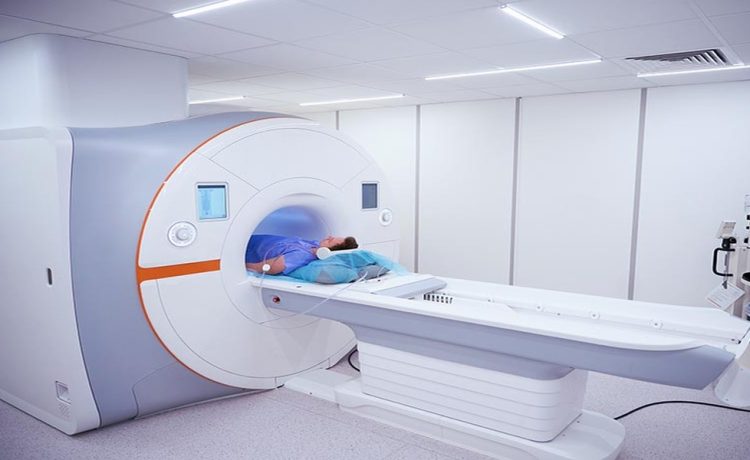
Clear medical decisions depend on clear information. When symptoms, a physical exam, or a patient’s history leave questions unanswered, diagnostic imaging can give doctors a closer look at what is happening inside the body. Kasey McKillip, a seasoned MRI technologist with more than a decade of hands-on experience in medical imaging, understands that every useful image depends on technical accuracy, patient cooperation, and clear communication throughout the exam.
Imaging does not replace a doctor’s judgment, but it can make the next step clearer. A scan can help confirm a concern, rule out certain problems, or guide treatment planning. Behind each image is a process built on safety, careful positioning, and communication between the patient, technologist, radiologist, and referring provider.
Seeing What Symptoms Cannot Show
Symptoms can tell a doctor that something is wrong, but they do not always explain what is happening inside the body. Pain, swelling, weakness, or limited movement may come from several possible causes. Diagnostic imaging helps narrow those possibilities by showing bones, soft tissues, organs, blood vessels, or other structures in greater detail.
This visual information can be especially useful when symptoms overlap. A back problem, joint injury or neurological concern may not have one clear explanation at first. Imaging gives the care team more information to compare with the patient’s history, exam findings, and lab results. That combination supports more thoughtful medical decisions.
Helping Confirm or Rule Out Conditions
Diagnostic imaging helps doctors confirm or rule out possible causes of a patient’s symptoms. An MRI, CT scan, ultrasound, or X-ray can show signs of injury, inflammation, structural changes, or other concerns that are not clear from an exam alone.
A scan that does not show a suspected problem can still be useful. It can help the care team look at other possible causes and avoid treatments that do not fit the findings. In that way, imaging helps narrow the next step in care.
Guiding Treatment Planning
Imaging can also shape the treatment plan after a condition is identified. The size, location, and severity of a finding can influence whether a doctor recommends monitoring, medication, therapy, a procedure, or surgery. The scan gives the care team more detail to match the treatment to the problem.
That detail can matter across different parts of care. A surgeon may use imaging to prepare for an operation. A therapist may use it to understand how an injury relates to movement and pain. A primary care provider may use the results to decide whether a specialist should be involved. In each case, imaging helps turn a diagnosis into a more informed plan.
Supporting Communication Across the Care Team
Diagnostic imaging creates a shared reference point for health care professionals. The technologist captures the images, the radiologist reviews them, and the referring provider discusses results with the patient. Each part of that process depends on clear documentation and accurate images.
This teamwork helps connect different parts of care. Kasey McKillip highlights that a well-performed scan can help the radiologist prepare a useful report, which then helps the doctor explain findings and discuss next steps with the patient.
Monitoring Changes Over Time
Diagnostic imaging is not only used at the beginning of care. It can also help monitor a condition after treatment starts. Follow-up scans may show whether an injury is healing, whether swelling has improved or whether a known condition has changed.
This comparison can guide future care. If imaging shows improvement, the care plan may continue as expected. If it shows changes that raise concern, the doctor may adjust treatment or order more evaluation. Tracking progress through imaging can help patients and providers understand whether the current approach is working.
Helping Patients Understand Their Care
Patients often feel more informed when they understand why a scan was ordered and how the results fit into their care. While technologists do not interpret images or give diagnoses, they can explain the exam process and what happens after the scan. That basic guidance can make the appointment feel less confusing.
The referring provider is responsible for explaining the results and what they mean for the patient’s care. That conversation helps connect the scan to the symptoms, medical history, and treatment options behind it. Depending on the findings, the next step could be treatment, follow-up imaging, a referral, or reassurance that a suspected problem was not found.
The Importance of Image Quality
Image quality is one reason patients are asked to follow instructions so carefully during a scan. The radiologist needs clear, complete images to review the area of concern and prepare a useful report for the referring provider. If the patient moves, if the positioning is off, or if part of the exam is incomplete, the scan may not provide the detail the care team needs.
That is why the technologist takes time with positioning and instructions before the images are captured. Staying still, holding a breath when asked, or speaking up about discomfort can all affect how well the scan goes. When patients understand the reason for those directions, they are better prepared to help the imaging team capture the images needed for medical review.
Safety and Accuracy Work Together
Choosing the right imaging test is part of making a careful medical decision. A doctor does not order an MRI, CT scan, X-ray, or ultrasound at random. Each test answers a different kind of question, so the choice depends on the symptoms, the area of concern, and the information the care team needs.
Safety is part of that choice, too. MRI requires screening for metal and certain medical devices, while CT and X-ray use radiation that must be weighed against the reason for the exam. Ultrasound may be preferred for certain organs, blood flow, or pregnancy care. The goal is to use the test that gives the most useful information with the right level of caution for the patient.
Better Decisions Start with Better Information
For patients, diagnostic imaging often comes at a point when something is still unclear. A symptom needs an explanation, an injury needs a closer look, or a doctor needs more information before deciding what comes next. A scan does not answer every question by itself, but it can give the care team details that help shape the conversation.
Those details are only useful when the exam is handled carefully. The right test has to be chosen, the images have to be clear, and the results have to be explained in the context of the patient’s symptoms and care plan. When diagnostic imaging is done well, it helps doctors make more informed decisions and gives patients a clearer sense of the next step.